As advances in sustainable design converge with evolving California building codes, the design strategy for energy-efficient multifamily buildings in 2025 is critical for success. This article outlines performance benchmarks, practical design pathways, and innovative integration of renewable systems specifically tailored for California’s dynamic climate. Targeted at experienced professionals in design and construction, this piece delves into detailed aspects such as climate analysis, envelope design, HVAC optimization, renewable energy integration, and case study examples that illustrate the real-world application of these strategies.
Climate Analysis: Understanding California’s Dynamic Environment
California’s diverse microclimates, ranging from coastal areas to inland valleys and high desert regions, demand a nuanced approach to energy-efficient design. In 2025, multifamily building projects must address extreme variations in temperature, humidity, and solar radiation. A comprehensive climate analysis is the foundation for establishing performance benchmarks and setting energy targets.
Key considerations in the climate analysis include:
- Microclimate Zoning: Identify and map diverse microclimates within project locations. Differences in coastal fog, inland heat, and mountainous variations should be studied.
- Solar Exposure: Evaluate primary solar heating potential and passive solar gains while strategically mitigating overheating risks during peak daylight.
- Wind Patterns: Understand prevailing wind directions, which help in designing natural ventilation strategies and optimizing placement for renewable energy elements such as wind turbines (where feasible).
- Rainfall and Humidity Influences: Analyze humidity and precipitation data. This is crucial not only for HVAC and indoor air quality design but also for material performance and durability in moisture-prone areas.
Advanced simulation tools and energy modeling software now facilitate precise predictions. Integrating local climate data into building performance models ensures designs meet energy efficiency standards while capitalizing on California’s renewable energy incentives.
Envelope Design: Balancing Insulation and Solar Performance
The building envelope is key to ensuring energy efficiency, acting as the barrier between indoor conditions and the external climate. In California, envelope design strategies are continually refined to provide not only superior insulation but also optimized solar performance. In 2025, advances in materials and technologies enable sustainable design that reduces energy consumption dramatically.
Critical elements of envelope design include:
- High-Performance Insulation: Use of advanced, eco-friendly insulation materials can reduce thermal bridging, ensuring minimal energy loss during colder nights and reducing heat gain during afternoons in summer.
- Glazing Innovations: Energy-efficient fenestration systems that combine low-emissivity coatings with variable transparency smart glass solutions. These features provide natural daylight benefits while maintaining thermal stability.
- Reflective and Radiative Surfaces: Incorporation of radiant barriers and reflective claddings help mitigate excessive solar radiation, reducing cooling loads.
- Air Sealing: Meticulous detailing for minimizing air leaks. High-performance seals, weather stripping, and vapor barriers ensure that energy is not wasted through inadvertent air infiltration.
Innovative façade materials and integrated shading solutions are part of the design strategy for 2025 multifamily buildings, ensuring that each building envelope is tailored to respond to its surrounding environmental challenges. The strategic use of natural ventilation corridors and thermal mass further contributes to overall energy performance.
HVAC Systems: Optimizing Comfort and Efficiency
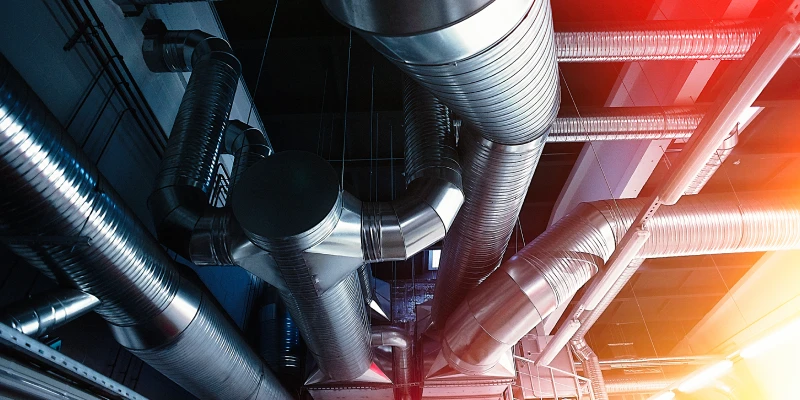
In multifamily projects, HVAC systems are a major aspect of operational efficiency and occupant comfort. With increasing energy costs and stricter environmental regulations, California’s design professionals are pioneering systems that integrate cutting-edge technology and sustainability principles. The optimal HVAC strategy embraces system integration, advanced controls, and renewable backup solutions.
Key strategies in HVAC system design include:
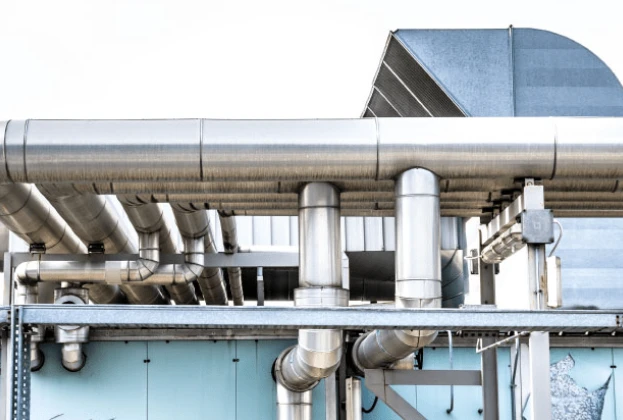
- High-Efficiency Equipment: Adoption of advanced HVAC technologies that meet or exceed ASHRAE standards. This includes variable refrigerant flow (VRF) systems, dedicated outdoor air systems (DOAS), and geothermal heating and cooling solutions where applicable.
- Smart Controls and Monitoring: Integration of sensor-based, automated controls that dynamically adjust to occupancy, external weather conditions, and indoor air quality requirements enables energy savings and enhanced comfort.
- Integration with Renewable Systems: HVAC systems should be designed to interface seamlessly with renewable energy sources. For instance, leveraging solar-driven absorption chillers or integrated battery storage improves efficiency while reducing peak grid demand.
- System Zoning: Dividing large multifamily units into thermal zones allows for individualized control and more precise energy management. This ensures that common areas and individual living spaces have optimal climate control, reducing energy waste in unoccupied zones.
In addition, advanced heat recovery systems can capture and reuse waste heat from industrial processes or HVAC exhaust, meeting both emission targets and cost reduction goals. For California’s energy-conscious market, optimizing HVAC systems not only reduces operational costs but also aligns with emerging regulatory benchmarks for sustainable design.
Renewable Integration: Paving the Way for Carbon-Neutral Buildings
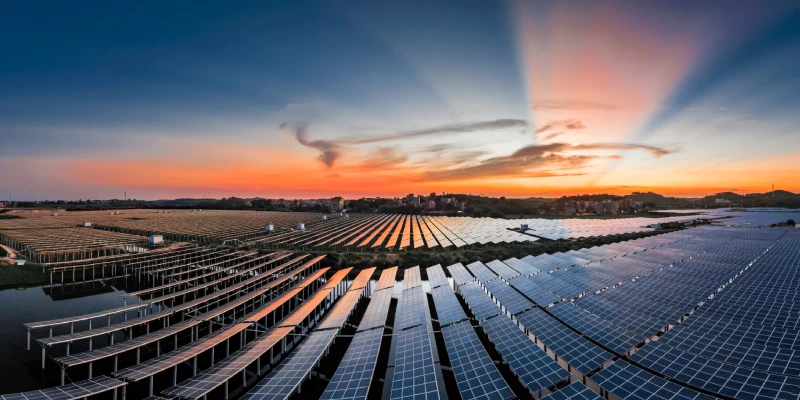
California has long been a pioneer in renewable energy initiatives, and multifamily projects in 2025 are expected to lead by example in renewable integration. Incorporating onsite renewable systems can drastically reduce the carbon footprint of multifamily buildings while bolstering energy resilience. The integration strategy involves combining photovoltaics, solar thermal systems, and energy storage solutions with a grid-interactive approach.
Strategies for effective renewable integration include:
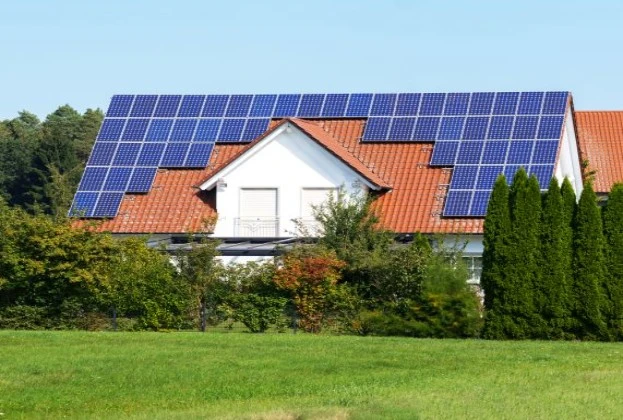
- Photovoltaic (PV) Systems: Designing building-integrated PV (BIPV) solutions that merge with the building envelope. These systems should be sized and configured based on energy consumption simulations and can include both rooftop and façade-embedded panels.
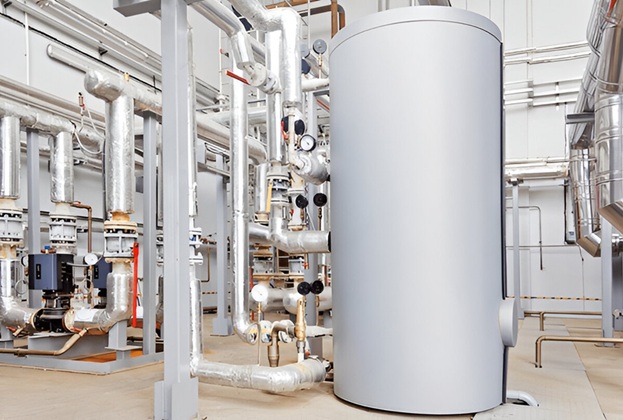
- Solar Thermal Integration: Utilizing solar thermal collectors to provide hot water and support heating applications. Combined with heat storage tanks, these systems can meet peak demands during winter months and reduce reliance on grid-based energy sources.
- Energy Storage Solutions: Deployment of battery storage systems and thermal energy storage units allows for load shifting and enhances grid-interactive efficiencies. These solutions are key to optimizing peak demand management.
- Grid Connectivity and Smart Inverters: Smart inverters and advanced metering infrastructure enable buildings to participate in demand response programs, ensuring that energy flows are balanced with renewable supply in a real-time fashion.
Emerging technologies in energy management—such as blockchain-based energy trading platforms and predictive maintenance algorithms—enable further operational efficiency. Multifamily planners in California can leverage these innovations to create energy-positive buildings that align with the state’s aggressive environmental targets for 2025.
Case Study Examples: Learning from Successful Implementations
Real-world applications of energy-efficient multifamily design principles serve as vital learning tools. In California, several projects have successfully implemented robust sustainable design features that offer valuable insights. Below, we examine two exemplary projects that underscore strategic design and operational efficiency.
Case Study 1: Coastal Multifamily Complex in San Diego
This project was designed for a coastal setting with frequent fog and high levels of solar exposure. Key aspects of the design included:
- Utilization of high-performance insulation and triple-glazed windows to combat temperature fluctuations.
- Implementation of a BIPV system integrated into the façade, which provided both energy generation and aesthetic value.
- Adaptive HVAC systems that employed zoned control, ensuring tailored climate control within individual units while maximizing efficiency in shared spaces.
- Incorporation of rainwater harvesting and greywater recycling systems, enhancing the building’s overall resource efficiency.
Through strategic orientation and meticulous envelope design, this complex reduced overall energy consumption by over 30% compared to conventional multifamily designs, serving as a benchmark for future coastal projects.
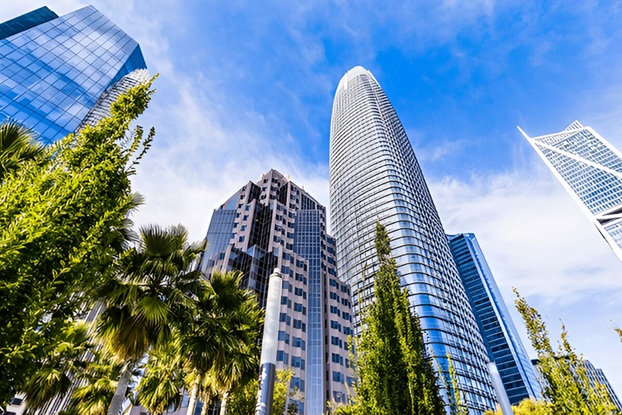
Case Study 2: Urban Multifamily Tower in Los Angeles
The second case study focuses on an urban multifamily tower characterized by high-density occupancy and significant energy demands. The design strategies included:
- Deployment of smart sensors and automated building management systems (BMS) to optimize HVAC performance and adapt to real-time occupancy patterns.
- Installation of a hybrid rooftop system combining solar PV arrays and state-of-the-art battery storage, reducing reliance on the grid during peak times.
- Advanced thermal envelope retrofits, including reflective claddings and externally insulated panels, which improved energy conservation in an urban canyon environment.
- Innovative water management systems that integrated both passive and active cooling strategies, complementing the renewable energy systems.
This urban project demonstrated that with strategic integration of renewable energy and intelligent systems, even high-density multifamily buildings can reach and surpass stringent energy performance benchmarks. The project benefited not only from operational energy savings but also from enhanced tenant comfort and well-being.
Conclusion: Charting the Path to Sustainable Multifamily Design in California 2025
The evolving landscape of multifamily building design in California presents unique challenges and exceptional opportunities for energy efficiency and sustainability. In 2025, a successful design strategy requires a comprehensive approach that begins with an in-depth climate analysis, extends through innovative envelope design, integrates advanced HVAC systems, and embraces cutting-edge renewable energy solutions.
Practitioners must leverage localized climate data and simulation tools to set accurate performance benchmarks, ensuring that each project is finely tuned to its environment. The case studies presented highlight how tailored design choices can significantly lower energy consumption while enhancing occupant comfort, paving the way for a new standard in multifamily building performance.
For design and construction professionals looking to deepen their understanding of energy-efficient strategies for multifamily projects, we invite you to explore our comprehensive design guide. This resource details additional best practices, advanced technologies, and practical steps that can be applied to your upcoming projects in California.
Download our Energy-Efficient Multifamily Design Guide Today and join the forefront of sustainable innovation in California’s multifamily sector.