
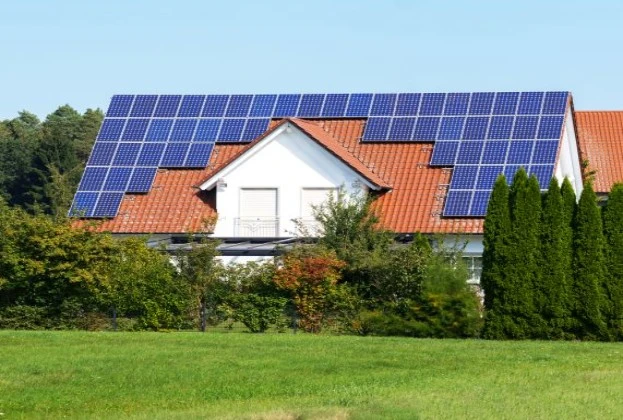
California is a trailblazer in renewable energy adoption, thanks to its abundant sunshine, ambitious climate goals, and progressive building regulations. With solar power becoming a standard feature in new housing developments, residential solar design in California is no longer an afterthought—it’s a cornerstone of sustainable living.
This blog explores the essentials of solar design for residential projects, covering technical details, regulatory considerations, design aesthetics, and long-term benefits for homeowners.
Understanding the California Solar Landscape
With some of the highest solar energy potential in the U.S., California offers homeowners a unique opportunity to achieve energy independence. High insolation rates, mild winters, and sunny summers ensure that well-designed solar systems can generate power efficiently year-round.
But potential alone isn’t enough. Successful solar design requires balancing several factors:
- Local building and fire codes that prioritize safety and compliance.
- Shading analysis to account for nearby trees and structures.
- Roof design and orientation to maximize exposure to the sun.
By integrating these considerations early in the planning stage, architects, engineers, and installers can design systems that perform well while meeting California’s strict renewable energy goals.
Key Benefits of Residential Solar Design
Solar isn’t just about cutting energy bills—it’s about future-proofing homes. Here are the top benefits:
- Energy Independence: Reduced reliance on utilities, with credits for excess energy under California’s net metering programs.
- Lower Carbon Footprint: A direct reduction in greenhouse gas emissions, helping meet both state and global climate goals.
- Higher Property Value: Homes with solar typically sell faster and at a premium.
- Economic Growth: Solar expansion fuels job creation and innovation across California.
- Futureproofing: As utility prices rise, solar systems stabilize costs and ensure energy security.
The Solar Design Process: Starting Early Matters
Integrating solar from the earliest design stages ensures efficiency, compliance, and aesthetics. The process generally involves:
- Site & Roof Analysis: Orientation, shading, and roof pitch evaluation (south-facing roofs are ideal in California).
- Energy Load Calculations: Conducting energy audits and implementing efficiency measures before sizing the solar system.
- Panel Orientation & Tilt: Designing tilt angles and orientation for maximum year-round energy capture.
- Electrical & Inverter Design: Safe, NEC-compliant wiring with smart inverter placement to reduce losses.
- Architectural Integration: Using modern solutions like Building-Integrated Photovoltaics (BIPV) to blend solar with design aesthetics.
Navigating California’s Regulatory Landscape
California leads with strong policies that encourage solar but also require careful compliance:
- Solar Mandate: New residential constructions must include solar-ready or fully integrated solar systems.
- Local Approvals: City and county permitting processes can impact design timelines.
- Net Metering: Homeowners receive credits for excess solar energy fed into the grid.
- Fire Safety Standards: Installations must meet stringent fire codes to mitigate wildfire risks.
Working with local permitting offices and experienced solar professionals is key to avoiding delays and ensuring compliance.
Innovations Shaping Residential Solar Design
Technology is rapidly improving solar efficiency, aesthetics, and performance. Some key innovations include:
- BIPV (Building-Integrated Photovoltaics): Solar shingles, facades, and glass that seamlessly integrate into homes.
- Solar Battery Storage: Backup power during outages and grid instability, especially vital in California.
- Smart Inverters & Monitoring: Real-time performance tracking, automatic adjustments, and remote issue detection.
- Modular Systems: Flexible, adaptive solar designs for homes with complex rooftops.
Practical Considerations for Homeowners
Before going solar, California homeowners should keep in mind:
- Cost & ROI: Leverage state rebates, tax credits, and incentives for affordability.
- Scalability: Plan for future energy needs and potential system upgrades.
- Durability & Maintenance: Choose high-quality panels designed to withstand heat, rain, and seismic activity.
- Smart Home Integration: Combine solar with energy management systems for optimized efficiency.
Real-World Case Studies
- Southern California Eco-Home: Integrated BIPV and battery storage, reducing bills by 70%.
- Northern California Historic Home: Discreet solar integration preserved Victorian charm while meeting modern standards.
- Los Angeles Multi-Family Residence: Shared modular panels and battery storage lowered costs and provided backup power for residents.
Financing & Incentives in California
Homeowners have access to multiple financing solutions, including:
- Federal ITC (Investment Tax Credit): Reduces upfront costs significantly.
- PACE Financing: Allows repayment through property tax assessments.
- State Rebates & Grants: Local programs to lower installation costs.
- Performance-Based Incentives (PBIs): Ongoing payments based on energy production.
Challenges & How to Overcome Them
- Shading Issues: Use advanced simulation software for accurate planning.
- Retrofitting Older Homes: Partner with experienced engineers for seamless integration.
- Evolving Codes: Stay updated on California’s changing regulations.
- Durability Concerns: Select long-warranty panels and plan regular maintenance.
The Future of Solar Homes in California
Looking ahead, we can expect:
- More advanced, affordable energy storage solutions.
- Fully integrated smart home + solar ecosystems.
- Widespread adoption of BIPV for design aesthetics.
- Growth of community solar projects.
- Innovative leasing and financing models to expand access.
Conclusion
Residential solar design in California is more than an energy solution—it’s a movement toward sustainable living. By integrating solar from the start, complying with state regulations, and leveraging new technologies, homeowners can enjoy energy independence, long-term savings, and a smaller carbon footprint.
As California continues to lead the renewable revolution, its residential projects set the stage for a nationwide shift. With the right planning and execution, every roof in California can become a source of clean, affordable, and sustainable power.
The future is sunny—and it starts at home.