
Welcome to your one-stop resource for understanding water heaters, a guide specifically designed for homeowners in North America who are seeking energy-efficient solutions in varying climates. Whether you’re building a new home or replacing an old unit, this guide will walk you through the different types of water heaters available in the market, explain how to select the right unit for your unique needs, and provide practical sizing guidelines that can help you determine the correct capacity for your home. With clear language, practical examples, and a friendly, conversational tone, this guide will empower you to make informed decisions for a long-lasting, efficient water heating solution.
Introduction
Water heaters are an essential component of any modern household. They provide the hot water we rely on daily for bathing, cleaning, cooking, and many other tasks. However, not all water heaters are created equal. With various types available—each with its own features, benefits, and drawbacks—it can be overwhelming to decide which unit is the best water heater for home use. This guide will help you navigate through:
- Different water heater types available in North America
- Important selection criteria based on energy efficiency, cost, and performance
- Sizing guidelines and a practical calculation example to determine the proper capacity
By the end of this guide, you will have a clearer understanding of your options and feel confident in choosing a water heater that meets your household’s needs.
Types of Water Heaters
Storage Tank Water Heaters
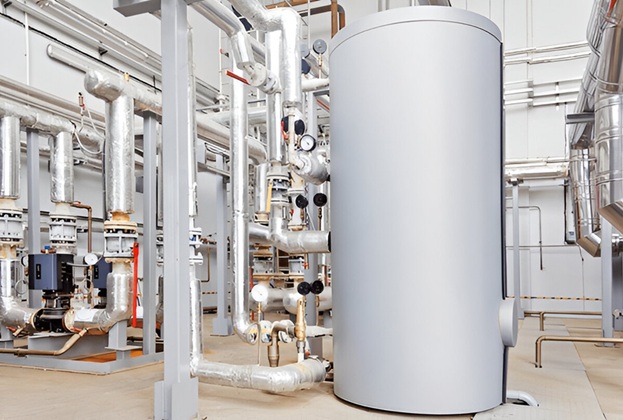
Storage tank water heaters are the most common type found in many North American homes. They work by heating and storing a fixed amount of water in an insulated tank. When hot water is needed, it is drawn directly from the tank.
- Capacity ranges from 20 to 80 gallons or more
- Typically powered by electricity, natural gas, or propane
- Relatively easy to install and maintain
- Standby heat loss is a common inefficiency, as stored water gradually loses heat over time
Storage tank water heaters are ideal for households with predictable hot water demand, and their straightforward design makes them familiar and relatively inexpensive in terms of upfront cost.
Tankless (On-Demand) Water Heaters
Also known as on-demand water heaters, tankless water heaters do not store hot water. Instead, they heat water directly as it flows through the unit, resulting in a supply of hot water on demand.
- Provides continuous hot water as long as the unit’s capacity is not exceeded
- More energy-efficient since there is no standby heat loss
- Saves space due to compact design
- Higher upfront cost and often more complex installation
This type of water heater is perfect for homeowners who are looking for energy efficiency and have a relatively moderate to low simultaneous hot water usage. They are particularly beneficial in climates where energy conservation is a priority, though proper sizing is critical to prevent performance issues during peak demand.
Heat Pump (Hybrid) Water Heaters
Heat pump water heaters, or hybrid water heaters, use electricity to move heat from the air to the water, rather than generating heat directly. This method tends to be two to three times more energy-efficient compared to conventional electric water heaters.
- Energy-efficient operation and lower utility bills
- Works best in warm, humid environments
- Higher upfront cost compared to traditional models
- May require additional space for proper air circulation
These systems are a great fit if you are looking for sustainable options and have a home in a climate that allows a heat pump water heater to operate at peak efficiency. They can be an excellent choice for environmentally conscious homeowners seeking an energy-efficient solution.
Solar Water Heaters
Solar water heaters utilize energy from the sun to heat water. This renewable energy option can result in significant utility cost savings over time. The system typically includes solar collectors mounted on your roof and a backup system for cloudy days.
- Greatly reduces energy consumption and lowers utility bills
- Environmentally friendly and sustainable
- Initial installation costs can be higher, but potential incentives and tax rebates help offset expenses
- Effectiveness depends highly on local climate conditions
Solar water heaters are particularly effective in sunny regions of North America and can be an ideal choice for homeowners who are keen to invest in renewable energy. However, they may not be the best solution in areas with long, overcast winters.
Selection Criteria for the Best Water Heater for Home
When selecting a water heater, consider the following important factors:
- Energy Efficiency: Energy Star or high-efficiency ratings save money long-term.
- Installation & Maintenance Costs: Balance upfront vs. lifetime costs.
- Sizing Guidelines: Ensure unit meets demand without waste.
- Fuel Type: Gas, electricity, or solar based on local availability.
- Climate Considerations: Match performance to environment.
Sizing Guidelines and a Practical Calculation Example
Proper sizing of your water heater is essential. Here’s a simple calculation:
- Step 1: Determine peak hour demand (e.g., 35–40 gallons).
- Step 2: For storage tanks, check recovery rate matches usage.
- Step 3: For tankless, calculate max simultaneous flow (e.g., 4 gpm).
Example: A family of four with 40 gallons peak demand may need a 50-gallon tank with a 20-gallon/hr recovery rate.
Energy Efficiency and Cost Considerations
- Long-term savings from efficient models.
- Utility rebates and tax incentives lower upfront costs.
- Compare annual operating costs of different types.
- Factor in maintenance and environmental impact.
Conclusion
Choosing the right water heater requires balancing efficiency, cost, climate, and household needs. With proper sizing, professional installation, and attention to long-term energy efficiency, homeowners can enjoy reliable hot water while saving money and reducing environmental impact.